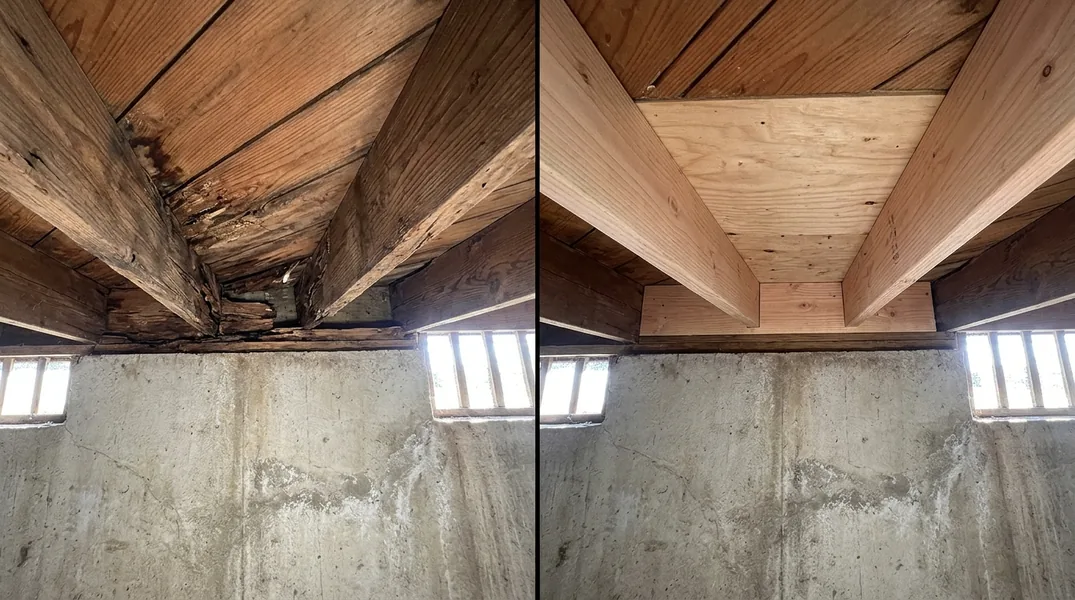
Why Old Modesto Homes Develop Sagging Floors
If you own an older home in Modesto, you may have noticed your floors aren't quite as level as they used to be. A gentle slope or noticeable dip underfoot is more common than you might think, especially in homes built before modern building codes became standard. Sagging floors aren't just an aesthetic concern or an annoying squeaky nuisance. They're often a warning sign that something structural needs attention.
The primary culprits behind sagging floors in older homes are foundation settlement, deteriorating support beams, failing floor joists, and moisture damage in crawlspaces. Modesto's Central Valley climate, with its hot, dry summers and occasional heavy winter rains, creates ideal conditions for wood decay and foundation stress. When moisture penetrates a crawlspace or water pools around a foundation, the structural wood components begin to weaken. Combined with decades of weight bearing and the natural aging of materials, even well-built homes can develop significant floor sag over time.
Understanding Crawlspace Issues and Foundation Problems
Your home's crawlspace is the hidden foundation of everything above it. Many older homes in the region were built with minimal crawlspace ventilation or inadequate moisture barriers, making them vulnerable to dampness and decay. When a crawlspace becomes wet or poorly ventilated, the wooden support posts, beams, and rim joists absorb moisture and become soft and spongy. This is where Wood Rot & Dry Rot Repair becomes critical. Dry rot, in particular, can spread rapidly through structural wood, weakening it from the inside out while appearing deceptively minor on the surface.
Raised foundation crawlspaces, common in older Modesto homes, are especially prone to moisture problems. Water intrusion can occur through cracks in the foundation, poor drainage around the perimeter, or simply through natural groundwater movement. Once moisture establishes itself, it creates an environment where wood-destroying fungi thrive. Additionally, if support posts have settled unevenly or concrete foundation piers have cracked, the entire floor system can shift out of level. Addressing these foundation and crawlspace issues early prevents minor sagging from becoming a major structural failure.
Floor Joist Repair and Sistering Joists: How the Fix Works
Floor Joist & Subfloor Repair is one of the most effective solutions for sagging floors caused by damaged or undersized joists. Floor joists are the horizontal beams that run perpendicular to your walls and directly support your subfloor and flooring materials. When joists become compromised by rot, insect damage, or excessive deflection, they lose their ability to carry the load evenly, causing visible sag. The good news is that damaged joists don't always need complete replacement. A technique called sistering floor joists involves installing a new, structurally sound joist alongside the damaged one and bolting them together securely.
Sistering floor joists is a time-tested method that restores load-bearing capacity without requiring the removal of the existing damaged joist. A carpenter will assess the extent of damage, determine the appropriate joist size and grade, and install the sister joist using proper fastening methods and spacing. This approach works well for joists that are partially compromised or have lost some structural integrity but haven't failed completely. For severely rotted or broken joists, full replacement may be necessary. Either way, professional assessment is essential because improper repair can leave your floor unsafe and vulnerable to further sagging.
Identifying Signs of Floor Joist Damage and Decay
Before you can fix a sagging floor, you need to know what you're dealing with. Common signs of floor joist problems include visible sag or bounce when you walk across the floor, cracks or splits in the visible wood, a musty or moldy smell coming from the crawlspace, and visible discoloration or soft spots on the wood. If you can access your crawlspace safely, inspect the joists for signs of Wood Rot & Dry Rot Repair needs. Dry rot appears as darkened, crumbly wood that crumbles easily when prodded with a screwdriver. Wet rot looks softer and may have a slimy appearance. Both are serious and require professional remediation.
Termite damage is another common cause of floor joist failure in older homes. If you notice small holes, galleries, or mud tubes in the wood, you may need Termite Damage Repair in addition to structural repairs. Don't ignore these warning signs. Structural wood damage tends to worsen over time, and a floor that sags slightly today could become dangerous if left unaddressed. If you notice any of these red flags, contact a qualified carpenter for an inspection and professional assessment.
When You Need Beam Replacement or Load-Bearing Wall Work
In some cases, the problem extends beyond individual floor joists. If the main support beam under your home has settled, rotted, or cracked, you're looking at a more complex repair. Beam Replacement & Load-Bearing Wall Removal is specialized work that requires careful planning, temporary support systems, and precise installation. A compromised beam affects the entire structural integrity of your home, so this isn't a DIY project or a job for an inexperienced contractor.
Beam problems often develop when support posts have settled into soft soil, when concrete piers have cracked, or when the beam itself has absorbed years of moisture and developed rot. Replacing a beam involves temporarily supporting the floor load with adjustable posts and jacks, removing the damaged beam, installing a new beam (often steel or pressure-treated lumber), and then carefully lowering the load back onto the new support. This work must meet current building codes and typically requires a building permit and professional engineering. If your inspection reveals beam damage, reach out to Modesto Carpentry for a free estimate and professional guidance.
Getting Professional Help: Inspection, Repair, and Prevention
The best approach to sagging floors is a thorough professional inspection followed by targeted repairs and preventive measures. A qualified carpenter will examine your crawlspace, test the wood with specialized tools, assess the foundation, and identify all areas of concern. They'll then recommend a repair plan tailored to your specific situation, whether that's sistering joists, replacing damaged beams, addressing moisture problems, or a combination of solutions. Professional pricing varies based on the scope of work, the extent of damage, and the accessibility of the affected areas, so getting a detailed inspection and estimate is the first step.
Once repairs are complete, prevention is key. Improve crawlspace ventilation, install or upgrade moisture barriers, ensure proper grading around your foundation to direct water away from the house, and address any water intrusion issues promptly. Regular inspections every few years can catch new problems before they become serious. If you're concerned about sagging floors or suspect structural issues in your home, don't wait. Contact Modesto Carpentry today at (209) 247-1735 or visit our website to schedule your free estimate. Our experienced team has helped countless homeowners restore their floors and protect their investments for years to come.
Looking for a professional carpentry contractor in Modesto? Modesto Carpentry responds fast for all your carpentry needs.
Get a Free QuoteOur services: Wood Rot & Dry Rot Repair · Termite Damage Repair · Floor Joist & Subfloor Repair