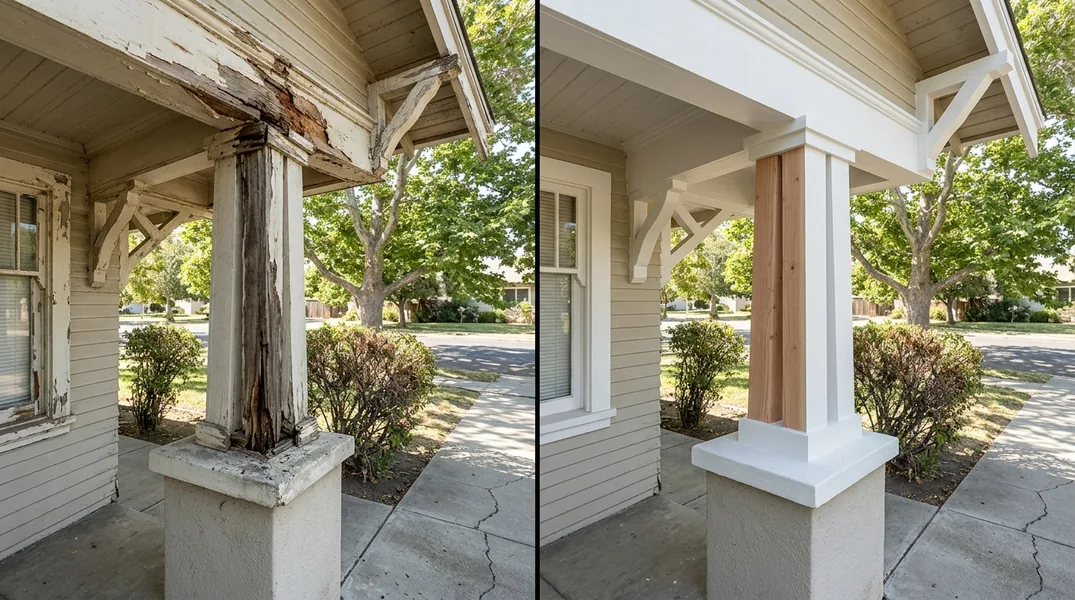
Dry Rot vs Termite Damage: Why the Difference Matters
When you discover soft, crumbling wood in your Modesto home, the question that immediately comes to mind is: what caused this damage? Is it dry rot, termite damage, or something else entirely? The answer matters because the treatment, timeline, and cost of repairs differ significantly depending on the culprit. Dry rot and termite damage may look similar on the surface, but they have completely different origins, require different solutions, and demand different urgency levels.
Understanding the distinction between these two wood-destroying threats is the first step toward protecting your home's structural integrity. While both can compromise the strength of your wooden beams, joists, and framing, dry rot is a fungal decay process that spreads through moisture, whereas termites are living insects that actively consume wood as food. This fundamental difference affects how you treat the problem, how quickly you need to act, and which professional you should call. A homeowner who confuses the two might waste time and money on the wrong solution, while the real problem continues to worsen behind the walls.
What Does Wood Rot Look Like? Identifying Dry Rot in Your Home
Dry rot typically appears as wood that has turned a dark brown color and developed a cracked, cube-like pattern across its surface. The wood becomes brittle and crumbly, almost like it's been baked dry. If you press your fingernail into affected wood, it may leave an indentation or cause the wood to crumble away. The fungus that causes dry rot thrives in damp environments, so you'll often find it in basements, crawl spaces, around plumbing leaks, or in areas with poor ventilation where moisture has accumulated over time. The damage tends to spread along the grain of the wood, creating a distinctive appearance that looks almost like the wood has been burned from the inside out.
One of the most telling signs of dry rot is the presence of white or grayish fungal growth, sometimes called mycelium, which looks like a fine web or cotton-like substance on the wood surface or in nearby cavities. You might also notice a musty, earthy odor in areas where dry rot is present. Unlike termite damage, which often leaves visible tunnels and galleries, dry rot damage is more generalized across the wood's surface. If you suspect dry rot in your Modesto home, especially in structural areas like Floor Joist & Subfloor Repair zones, it's critical to have it assessed quickly. The longer moisture persists, the deeper the rot penetrates, and the more extensive your repairs will need to be.
Signs of Termite Damage in Wood: What Active Termites Leave Behind
Termite damage looks distinctly different from dry rot, though it can be equally destructive. Termites create hollow galleries or tunnels within the wood as they eat away at it from the inside out. If you tap on wood infested with termites, it may sound hollow, and if you break away the outer shell, you'll see a network of clean, smooth tunnels running through the interior. These galleries are often packed with mud-like material, especially in the case of subterranean termites, which are the most common species in California. The wood may appear intact from the outside but is actually riddled with pathways, making it structurally unsound.
Another key indicator of termite damage is the presence of mud tubes. Subterranean termites build these pencil-thin mud tubes along foundation walls, piers, and wooden structures to travel between the soil and the wood above. These tubes protect termites from air exposure and help them maintain the moisture they need to survive. You might also notice discarded termite wings, which look like tiny, translucent shells, near windowsills or light sources. Unlike dry rot, which requires moisture but doesn't move around, termites are active and mobile. They continue consuming wood day and night, which means termite damage can escalate rapidly if left untreated. If you see signs of termite activity, Termite Damage Repair should be your priority.
Key Differences: How to Tell Them Apart
The most fundamental difference between dry rot and termite damage comes down to what's causing the destruction. Dry rot is caused by fungi that need moisture to grow and spread. It's a passive decay process where the wood simply deteriorates due to fungal action. Termite damage, on the other hand, is active destruction caused by living insects that are actively feeding on your wood. This means that with dry rot, you're fighting a moisture problem, while with termites, you're fighting an infestation that requires pest control intervention.
When examining the wood itself, dry rot tends to create a uniform, crumbly appearance with a dark brown color and a distinctive cube-like cracking pattern. Termite damage leaves behind smooth, clean tunnels and galleries, often with visible mud tubes connecting the damage to the soil outside. Dry rot spreads along the wood grain and is typically confined to areas with high moisture, whereas termites can spread throughout a structure regardless of moisture levels, following their food source. The smell is also different: dry rot produces a musty, earthy odor, while termite-infested wood may smell slightly sweet or earthy but is often accompanied by the presence of mud tubes or wings. If you're unsure which type of damage you're dealing with, a professional inspection is the best way to confirm the problem and determine the right course of action.
Wood Rot & Dry Rot Repair Near Me: When to Call a Professional
If you've identified signs of dry rot in your home, don't delay in seeking professional help. Wood Rot & Dry Rot Repair requires more than just replacing the damaged wood. You also need to address the underlying moisture problem, or the rot will return. A qualified carpenter can assess the extent of the damage, identify the moisture source, and develop a comprehensive repair plan that includes both fixing the damaged wood and preventing future rot. In many cases, this involves improving ventilation, fixing plumbing leaks, installing vapor barriers, or addressing drainage issues around your foundation.
Similarly, if you suspect termite damage, you'll need both pest control specialists to eliminate the infestation and skilled carpenters to repair the structural damage once the termites are gone. The team at Modesto Carpentry has extensive experience identifying and repairing both dry rot and termite damage in homes throughout the region. Whether you need Beam Replacement & Load-Bearing Wall Removal or targeted joist repairs, we can help restore your home's structural integrity. The longer you wait to address either type of damage, the more expensive and invasive the repairs become. What might start as a localized problem can spread to multiple areas of your home, affecting floors, walls, and even the foundation itself.
Wood Rot & Dry Rot Repair Cost in Modesto: What to Budget
The cost of repairing dry rot or termite damage varies widely depending on the extent of the damage, the location of the affected wood, and the complexity of the repairs needed. A small, localized area of dry rot in a crawl space might cost several hundred dollars to repair, while extensive damage affecting multiple floor joists or structural beams could run into the thousands. The good news is that catching the problem early can significantly reduce your repair costs. A small area of rot that's treated quickly might only require targeted wood replacement and moisture remediation, whereas a problem left untreated for years could necessitate replacing entire sections of your home's framing.
To get an accurate sense of what you'll spend on repairs, it's essential to get a detailed assessment from a professional. Modesto Carpentry offers free estimates so you can understand the scope of work and the investment required before committing to repairs. During the inspection, we'll identify all affected areas, assess the structural impact, and provide transparent pricing for the work. We recommend calling (209) 247-1735 or visiting our website to schedule your free estimate today. Early action not only protects your home's value but also keeps your repair costs as low as possible.
Looking for a professional carpentry contractor in Modesto? Modesto Carpentry responds fast for all your carpentry needs.
Get a Free QuoteOur services: Wood Rot & Dry Rot Repair · Termite Damage Repair · Floor Joist & Subfloor Repair